
Alpo Aaltokoski – 40 Years at the Heart of Dance
Alpo Aaltokoski – 40 Years at the Heart of Dance
NEWS ArticleHow have dance and the understanding of movement changed over four decades? Choreographer Alpo Aaltokoski, who is celebrating 40 years as an artist, has followed the evolution of dance both as an artist and as an influential figure in the dance field. In this interview, he reflects on his artistic sources of inspiration, the significance of international experiences, and the place of dance in the world.
You are currently celebrating 40 years as an artist. What has changed in dance during this time – and what has stayed the same?
Dance and art reflect society and the world around us. When major upheavals take place and the world order changes, as it is doing now, this is also reflected in art. Art always reflects its own time.
I have had a front-row seat to the development of dance, both as an artistic director and as a festival curator. I have seen an enormous amount of dance and observed how both the subject matter and the forms of presentation have changed. There is considerably more diversity today than, for example, in the 1990s. New experimental forms have emerged, along with new ways of thinking about movement and choreography. Our understanding of what constitutes movement or choreography in the first place has also expanded.
In the past, dance perhaps placed greater emphasis on aesthetics and how something looked. Today, there is more focus on how movement feels, too. Through constant change, this art form remains alive rather than becoming a museum piece.
What do you find particularly interesting about dance right now?
Since the opening of Tanssin talo (Dance House Helsinki), the range of dance on offer in Finland has expanded significantly. We are now seeing more international guest performances and large-scale works that were previously unavailable to audiences here.
I have attended Tanzmesse, for example, on several occasions and seen just how vast the international dance scene is. At the same time, I have come to realise how small a part of this spectrum was previously represented in Finland.
What I find particularly interesting is how the programme at Tanssin talo will influence future dance-makers. International works and a variety of artistic approaches can now be experienced here at home, without having to travel abroad. It will be fascinating to see how this is reflected in the work of future generations.
What inspires you right now?
Many things, but my connection with nature is especially important to me. I go on nature excursions throughout the year, depending on the season. We should have a better understanding of where our lungs are. We talk a lot about breathing, and nature and forests play a central role in that.
What is your most memorable memory from your career?
As an artist, you sometimes find yourself questioning yourself and your own work. One of the most significant experiences of my career dates back to the 1990s, when I was in Nicaragua working on my solo piece De Una Semilla.
The country was recovering from civil war at the time. Gunshots could be heard in the streets, there was a sense of insecurity all around, and the city was in ruins. I saw children inhaling glue, misery and poverty everywhere. I was making dance there, and I also fell ill with various diseases myself. At a certain point, I began to seriously question my role. I wondered what dance was doing there. Surely what was needed was food, bread and basic infrastructure. I became depressed by the thought of what significance my own work could possibly have in such an environment.
Then a local dancer said to me: “Yes, we are poor, but do we also have to be poor in spirit?”
Those words struck me deeply. I began to think about how these young people themselves experienced art and culture. The way they viewed their own existence changed my thinking.
Now, when discussions about the significance of culture and art take place in Finland, I often return to that experience. It offers a powerful mirror for those debates.
This memory has been one of the driving forces sustaining me as an artist. Working independently in the freelance field is not always easy, and at times you have to ask yourself why you do this work. This experience brings me back to the very heart of it.
The experience had a profound impact on my artistic thinking. While creating the solo, I began stripping away as much as possible that was unnecessary. I kept striving towards the essence of what I wanted to communicate and the kind of connection I wanted to establish with people. This approach has influenced all my productions ever since.
I have also passed my solo De Una Semilla back to Nicaragua, where two local dancers have taken it on. The work will also be presented at Tanssin talo next spring.
What does dance mean to you?
It means my whole life. Dance is my whole life.
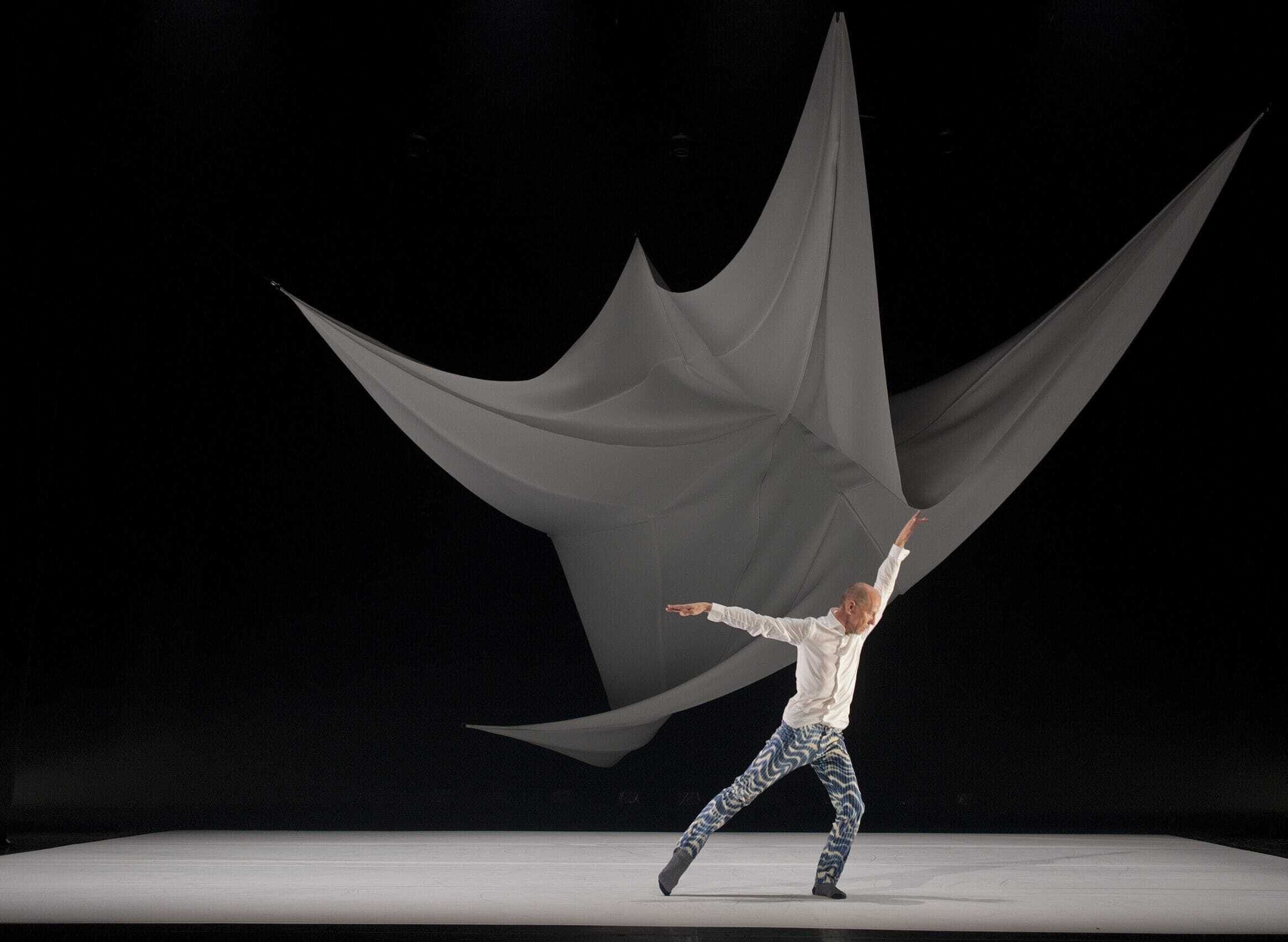
Alpo Aaltokoski Company: A Celebration of Three Solos, 27–31 October 2026

Dance House Helsinki celebrates choreographer Alpo Aaltokoski’s 40-year career as an artist with a special double-bill performance featuring three outstanding solo works interpreted by three internationally acclaimed female dancers.


